|
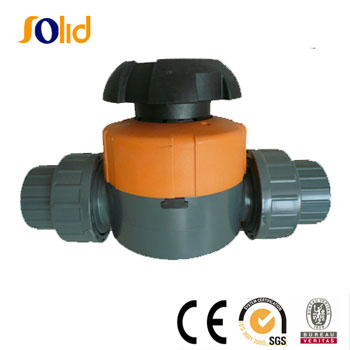
PVC diaphragm valves are widely used in chemical engineering, sewage treatment, and pure water preparation, among other fields, due to their excellent corrosion resistance and low cost. Sealing performance is the core indicator determining their safe operation, which directly affects the stability of fluid transportation, and prevents medium leakage and environmental pollution.
I. Basic Principles
The sealing performance test of PVC diaphragm valves is divided into the valve seat sealing test and the stem sealing test. The former verifies whether the diaphragm fits tightly with the valve seat to prevent medium leakage from the flow channel; the latter checks whether the stem and packing gland achieve reliable sealing to avoid external leakage. The test is performed by applying the specified pressure to the valve cavity and detecting the leakage at the sealing parts.
II. Specific Test Methods
1. Valve Seat Sealing Test
· Fully close the tested valve, connect one end of the valve to the pressure test bench, and block the other end.
· Fill the valve cavity with the test medium, exhaust the air inside the cavity, gradually increase the pressure to 1.1 times the nominal pressure of the valve, and maintain the pressure for 15–30 minutes.
· Inspect the sealing surface between the valve seat and diaphragm for any signs of leakage. For precision tests, use a leak detector to measure the leakage rate, or apply soapy water to the sealing part to check for bubble formation.
2. Stem Sealing Test
· Fully open the valve, fill the cavity with the test medium, and raise the pressure to the nominal pressure of the valve.
· Apply soapy water to the joint between the stem and packing gland, or install a leakage collection device at the stem.
· Maintain the pressure for 10–20 minutes, and check for medium seepage at the stem. If the valve is equipped with a pneumatic or electric actuator, repeat the test under the operation of the actuator.
3. Special Working Condition Sealing Test
· High-Temperature Sealing Test: Place the valve in a constant temperature chamber, adjust the temperature to the maximum operating temperature specified by the product, and repeat the above two tests after heat preservation for 1 hour.
· Corrosive Medium Sealing Test: Replace the test medium with the actual chemical medium to be conveyed, and conduct the pressure test according to the nominal working conditions to evaluate the sealing stability of the diaphragm in corrosive environments.
III. Test Result Evaluation and Acceptance Criteria
· Qualified Standard: During the pressure holding period, there shall be no visible leakage at the valve seat and stem sealing parts, no bubbles shall be generated when soapy water is applied, and the leakage rate detected by the leak detector shall be lower than the industry standard.
· Handling of Unqualified Cases: If leakage occurs, check whether the diaphragm is damaged or deformed, whether there are impurities or scratches on the valve seat, or whether the stem packing is loose. Replace the defective parts and conduct the retest until the requirements are met.
· Test Record: Record the valve specification, test pressure, pressure holding time, test medium, temperature and leakage condition in detail to form a complete test report for product quality inspection and traceability.
IV. Test Notes
· The test pressure shall not exceed 1.5 times the nominal pressure of the valve to avoid permanent deformation of the PVC valve body.
· After the test, drain the medium in the valve cavity promptly and dry the valve to prevent residual medium from corroding the valve body or diaphragm.
· For diaphragm valves used in the food and pharmaceutical industries, the test medium shall comply with food safety standards to avoid contamination.
|